Your porch plants had a great summer. Now the nights are cooling off, and it's time to bring them inside. Here's how to make the move without bringing the bugs along, and how to give your plants a fresh start for the cooler months.
Most tropical houseplants, like pothos, monsteras and philodendrons, start to sulk once nights drop below about 50°F. In Louisville that usually happens by late October, so if yours are still outside, now is a great time to bring them in. The move goes smoothest in three steps: check for pests, refresh the soil, and ease your plants into indoor light.
1. Check for hitchhikers first
Plants that summer outdoors pick up guests: aphids, mealybugs, spider mites, fungus gnats, and now and then a whole ant colony living in the pot. Once a plant comes inside, those pests can move on to your other plants. A few minutes of checking now saves a lot of trouble in January.
- Look closely. Check the undersides of the leaves, the spots where leaves meet the stem, and any new growth. Sticky leaves, fine webbing, white cottony spots or tiny moving dots all mean something has moved in.
- Check the pot, too. Lift it and look at the drainage holes and the bottom of the pot, where slugs and ants like to hide.
- Give it a shower. Rinse the whole plant gently with the hose, tops and undersides of the leaves. Many pests simply wash off.
- Treat anything you find. Insecticidal soap or neem oil works on most common houseplant pests. Follow the label, cover the undersides of the leaves, and repeat once a week for a few weeks, since eggs keep hatching after the first spray.
- Soak small pots. For pots you can lift easily, set the whole pot in a bucket of water up to the rim for about 15 minutes. Anything living in the soil comes up for air. Then let the pot drain completely.
- Give them a two-week quarantine. Keep the newcomers apart from your indoor plants for about two weeks, then check them again before they join the rest of the family.
2. Give the soil a fresh start
A summer outside is hard on potting soil. Rain packs it down, heat breaks it down, and pests like to hide in it. Moving inside is the perfect moment to refresh it.
One thing to know first: fall isn't the best time for a big repot. Most plants slow their growth as the days get shorter, so they're slower to settle into a new pot. For most plants, a lighter refresh is the better choice.
- Top-dress most plants. Top-dressing means scraping off the top inch or two of old soil and replacing it with fresh mix. Your plant gets new soil where it matters, without the stress of leaving its pot.
- Repot only when the plant needs it. It's time if roots are circling the pot or poking out of the drainage holes, if water runs straight through, if the soil smells sour or stays soggy, or if you found pests living in the soil. Go up just one or two inches in pot size.
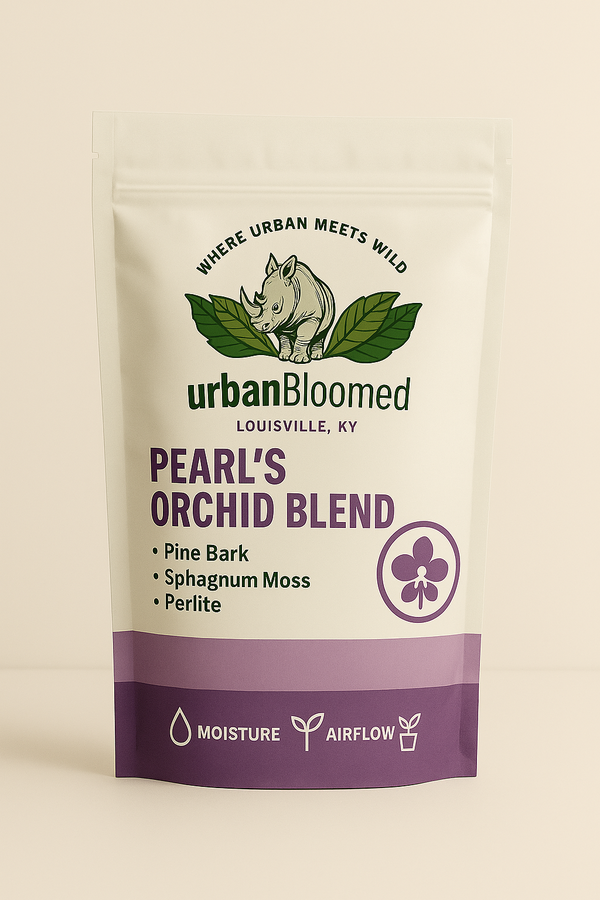
Whichever you choose, match the mix to the plant. The right soil holds the right amount of water and air for each kind of root, so it does half the work for you. Our four blends are mixed in small batches here in Louisville, and each one is named for a pet in our family.
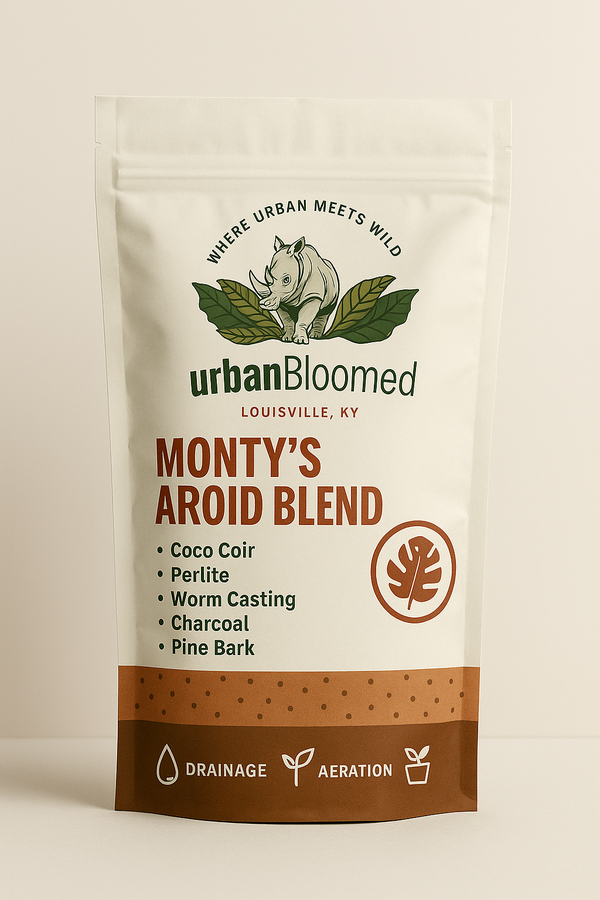
Monty's Aroid Blend
Chunky and airy, for monsteras, philodendrons, pothos and other aroids.
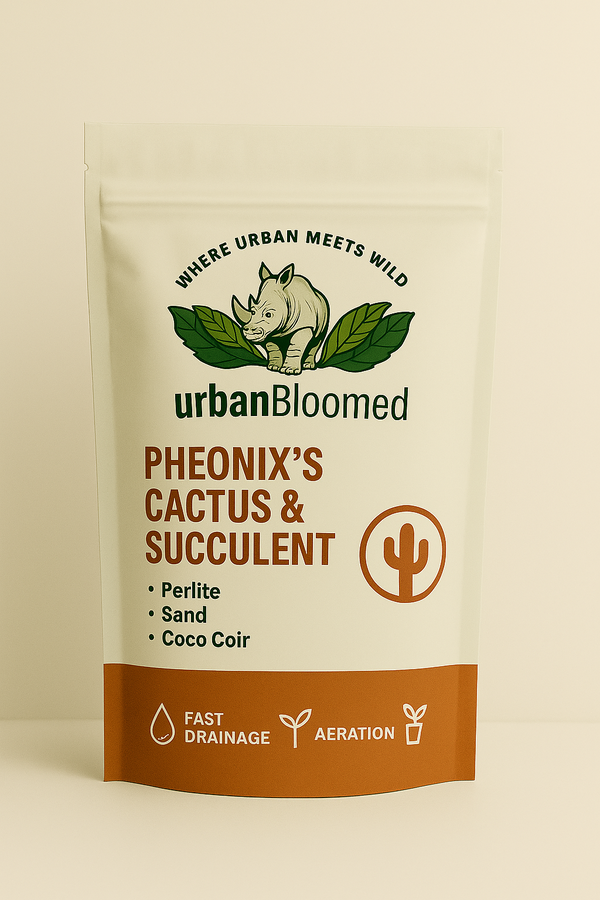
Pheonix's Cactus & Succulent Blend
Gritty and quick to dry, so cacti and succulents never sit wet.
Journal special: use code FRESHSOIL at checkout for 10% off any soil blend, through November 15.
3. Ease them into indoor life
Even a bright room gets far less light than a porch, so give your plants a little time to adjust.
- Pick the brightest spot you have. Sun lovers like succulents do best right in a south- or west-facing window. Most leafy tropicals are happy a few feet back from one.
- Expect a few yellow leaves. A couple of yellow leaves in the first weeks is your plant adjusting to less light, not a sign you did something wrong. Snip them off and keep going.
- Water less often. Plants drink less indoors and in cooler weather. Before you water, push a finger into the soil. Water when the top inch is dry, or when the soil is dry all the way through for succulents and cacti.
- Watch the drafts. Keep plants away from heating vents, radiators and drafty doors, which dry them out or chill them.
- Hold the fertilizer. Most plants are resting until spring, so save the plant food until you see new growth.
Welcome home, plants. Here's to a cozy, green winter.
— Jezza
← All Journal posts